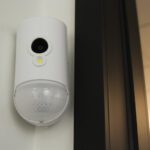
A duress alarm is a fixed or wearable button that staff press to send a silent or audible alert when they feel threatened at work. The alert goes to a manager, an in-house team or a 24/7 monitoring centre, which then responds. Any Melbourne business where staff deal with the public alone or handle cash should consider one. That includes reception desks, pharmacies, medical clinics, late-night food outlets and petrol stations.
Workplace aggression is now a compliance issue in Victoria, not just an HR one. The Occupational Health and Safety (Psychological Health) Regulations 2025 apply to every Victorian employer. Aggression or violence is one of the hazards they name. Employers are expected to identify that risk and take practical steps to control it.
Many business owners assume that means buying new equipment. Often, part of the answer is already installed. Many business alarm panels support a duress code that sends a silent alert while appearing to disarm the system. This guide explains how each type of duress alarm works, what happens after the button is pressed, and why the response plan matters as much as the button itself.
Key Takeaways
- A duress alarm is a fixed or wearable button that sends an alert when a staff member feels threatened at work.
- Victoria’s Psychological Health Regulations 2025 require employers to manage psychosocial hazards, including aggression or violence.
- Businesses where staff deal with the public alone are common candidates, such as reception desks, pharmacies, clinics and late-night outlets.
- Many existing business alarms support a duress PIN code, which can be a low-cost first step.
- A duress alarm only protects staff if someone receives the alert and knows what to do next.
What Is a Duress Alarm?
A duress alarm for business is a device that lets staff call for help during a threatening situation without drawing attention. It is usually a button fixed under a counter, a wearable pendant, or a special code entered on an alarm keypad. Pressing it sends a signal through the alarm system to whoever is set up to respond.
A duress alarm is different from a burglar alarm. A burglar alarm reacts to a property event, such as a door opening after hours. A duress alarm is triggered on purpose by a person who needs help, usually during business hours.
Duress Alarm vs Panic Button: Is There a Difference?
In everyday use, the two terms mean the same thing. “Panic button” usually describes the physical button. “Duress alarm” usually describes the whole system, including how the alert travels and who receives it. A business looking for a panic button for business generally needs the full duress system, not just the button.
Why Victorian Employers Are Paying Attention to Workplace Aggression
Since 1 December 2025, Victorian employers have specific duties to manage psychosocial hazards under the Occupational Health and Safety (Psychological Health) Regulations 2025. Aggression or violence is one of the hazards named. WorkSafe Victoria describes it as incidents where a person is abused, threatened or assaulted in circumstances relating to their work.
The wider impact is significant. In 2024–25, 17 per cent of workplace injury claims to WorkSafe were reported as mental injuries.
The regulations do not list duress alarms as a requirement. They require employers to identify psychosocial hazards and control the risks. For staff who face the public alone, a duress alarm is one practical control. It works alongside other measures, such as safe counter design, cash-handling procedures and de-escalation training.
Which Businesses Need a Duress Alarm?
Any business where staff are alone with the public, handle cash or medication, or work late is a strong candidate. The right setup depends on where staff are when a situation escalates.
| Business | Where risk peaks | Setup that usually suits |
|---|---|---|
| Medical and dental clinics | Reception and consult rooms | Fixed buttons at reception and in consult rooms |
| Pharmacies | Dispensary counter | Fixed under-counter button with a silent alert |
| Real estate agencies | Open inspections and solo appointments | Wearable device with reliable mobile coverage |
| Late-night food outlets | Front counter and closing time | Fixed button plus a keypad duress code |
| Petrol stations and convenience stores | Cash register | Fixed under-counter button with monitoring |
| Offices with a front desk | Reception | Fixed button within easy reach |
A duress alarm for reception staff is often the first install. Reception is where an upset visitor first meets the business.
Three Ways to Set Up a Duress Alarm
Most businesses use one or a mix of three options: fixed buttons, wearable devices, and a duress code on an existing alarm.
Fixed Under-Counter Buttons
An under-counter duress button stays in the same spot, so staff always know where it is. It suits counters, reception desks and cash points. Many fixed buttons need a double press or two buttons pressed together, which reduces accidental activations. Placement matters. Staff should be able to reach the button without an obvious movement.

Wearable and Portable Devices
A wearable duress alarm travels with the person. It suits staff who move around a site, visit clients or work alone off-site. Wearables need regular charging or battery checks, and many rely on mobile coverage.
Be wary of phone apps sold as duress alarms. Victoria Police has warned that no app has a direct or “live” connection to police or emergency services.
Can You Add Duress to Your Existing Business Alarm?
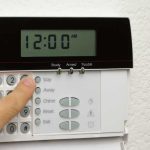
Often, yes. Many business alarm panels support a duress code alarm system feature. Staff enter a separate PIN on the keypad. The system disarms as normal, but it silently sends a duress signal. This protects staff who are forced to open or close the premises under threat. A technician can usually program a duress code and add fixed buttons to an existing panel, depending on the brand and model.
There is one catch. Victoria Police’s Category A alarm response only covers duress alarms with a dedicated duress button installed in the premises. A keypad code alone may not qualify for that level of response. If police attendance matters to your business, pair the code with a fixed button.

Should a Duress Alarm Be Silent or Audible?
Most businesses choose a silent alarm for staff. A silent alert calls for help without tipping off the aggressor, which lowers the risk of the situation escalating. An audible alarm suits sites where the goal is to scare someone off or alert nearby colleagues. Some systems can do both, starting with a silent alert and triggering a siren later.
What Happens After Someone Presses the Button
The alert travels through the alarm system to whoever has been set up to respond. That could be a manager’s phone, an in-house security team or a 24/7 monitoring centre.
Monitored vs In-House Response
In-house response sends the alert to a manager or staff member on site or nearby. It costs less, but it depends on that person seeing the alert and acting quickly. A monitored duress alarm in Melbourne sends the alert to a professional monitoring centre staffed around the clock. Monitoring suits higher-risk sites, after-hours trading and businesses with only one staff member on site.
Do Police Respond to Duress Alarms?
Police do not receive the alert directly. In Victoria, police attendance for Category A alarms runs through licensed and graded monitoring companies that hold an Alpha Code from Victoria Police. When the monitoring company decides police are needed, it calls Triple Zero (000) and recites its Alpha Code. Victoria Police advises businesses that need Category A responses to use only monitoring companies with a current Alpha Code. Ask your provider to confirm theirs.

A Button Is Only Half the System: Building a Response Plan
A duress alarm only protects staff when everyone knows what happens after it is pressed. Write down who receives the alert, what they do first, and when they call 000. Share the plan with every staff member, including casuals and new starters.
Testing and Staff Training
Test every button and code on a regular schedule. Tell your monitoring centre before each test. Show every staff member where the buttons are and when to use them. A button nobody remembers in a crisis offers little protection.
Handling Accidental Presses
Accidental presses happen, especially with new staff. Agree on a cancel procedure with your monitoring provider, such as a verbal password. Answer calls from the monitoring centre promptly. Once police have been called, the response may not be cancellable.
Protect Your Staff Before a Situation Escalates
A duress alarm gives staff a fast, discreet way to call for help when a customer or visitor turns threatening. With Victoria’s Psychological Health Regulations 2025 in force, managing workplace aggression is now part of every employer’s duty. The right setup depends on where your staff work, how they move through the site, and who will respond when the alert comes through.
Start with what you already have. Your existing business alarm may already support a duress code or fixed buttons. From there, add buttons where risk peaks, choose silent or audible alerts, and put a written response plan in place.
Gorilla Security designs and installs business alarm systems for Melbourne workplaces, including duress buttons integrated with your existing alarm and CCTV. Our team can assess your site, identify where staff need fast access to help, and set up a duress alarm system that fits how your business operates.
Book a Duress Alarm Assessment
Recent Blogs