If your home shares a driveway with two, three, or five other properties, a single buzzer at the gate is not enough to keep everyone secure. A gate intercom for a shared driveway lets each household screen and admit its own visitors without giving up control to a neighbour or leaving the gate propped open for convenience.
Shared driveways are common across Melbourne’s townhouse developments and small strata schemes, particularly in suburbs like Brighton, Cheltenham, and Glen Waverley, where blocks of three to six units are built around one central access point. Unlike a large apartment complex with a concierge, these smaller strata properties usually have no on-site manager, which means every household relies on the same shared gate for both security and convenience.
Gorilla Security installs gate intercoms across Melbourne’s strata properties, and the questions we hear most often are not about the hardware. They’re about approvals, cost-splitting, and who gets access. This guide covers the practical and regulatory side of adding an intercom to a shared driveway, from owners’ corporation sign-off to tenant access and short-term rental guests.
Key Takeaways
- Installing a gate intercom on a shared driveway is usually classed as a common property change under Victorian strata law and generally requires owners’ corporation approval.
- Costs for shared driveway intercoms are typically split between lot owners according to their lot liability, though this can be varied by agreement.
- Each household can have its own access code, fob, or app login on a shared system, so one intercom does not mean one shared password.
- Tenants can be granted intercom access, but the landlord (not the tenant) is usually responsible for coordinating this with the owners’ corporation.
- If the intercom includes a camera facing the shared driveway, the Surveillance Devices Act 1999 (Vic) may apply to how footage is used and disclosed.
What Is a Gate Intercom for a Shared Driveway?
A gate intercom for a shared driveway is a communication and access system installed at a single entry point that serves more than one household. It lets a visitor announce themselves at the gate and lets a resident verify who they are before remotely releasing the gate.
This setup is common in Melbourne’s smaller strata schemes, such as groups of townhouses or duplexes built around one shared vehicle entrance. Unlike a large apartment building with a concierge, these properties depend entirely on the intercom system itself to manage entry, since there’s no on-site staff to monitor the gate.
Do You Need Owners Corporation Approval to Install One?
Yes, in most Victorian strata properties, installing a gate intercom on a shared driveway requires owners’ corporation (OC) approval before work begins. This is because the shared driveway and gate are classified as common property, not the property of any single lot owner.
When Is It a Common Property Change Under Victorian Law?
According to the Owners Corporations Act 2006 (Vic), any physical alteration to common property, such as installing new cabling, mounting equipment, or changing the gate, requires owners’ corporate approval. Minor changes can sometimes be approved by ordinary resolution at a general meeting. Larger changes, such as a full gate intercom installation with new wiring and cameras, may require a special resolution, which needs a higher level of owner agreement to pass.
We recommend checking your strata scheme’s own by-laws first, since some schemes set stricter rules than the minimum required by law.

How Do Multiple Households Share One Intercom System?
Multiple households share one gate intercom by each having a separate access method linked to the same physical unit. This means one shared intercom system does not mean one shared password.
Common ways to separate access include:
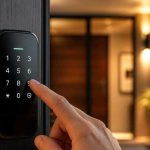
- Individual PIN codes — each household is assigned a unique code
- Resident directory — visitors select the household name or unit number to call
- Separate fobs or key cards — each unit holds its own credential
- App-based access — each household links their own smartphone to release the gate remotely
This structure means one household changing their access code, or losing a fob, doesn’t affect the other residents’ access.
Who Pays for a Shared Driveway Intercom?
Costs for a shared driveway intercom are typically split between lot owners according to their lot liability, which is the percentage share each owner holds in the owners’ corporation. This is set out in the strata plan and is usually based on each lot’s relative value.
Ongoing costs, such as maintenance, repairs, or app subscription fees, are usually paid from the owner’s corporation’s general fund, which all lot owners contribute to. Disputes can arise when one owner refuses to pay their share or disagrees with the choice of system. In these cases, the decision generally returns to the resolution that approved the original installation.

What Are the Options for Shared Driveway Intercoms?
The right intercom setup depends on how many households share the driveway, whether video is needed, and what wiring already exists at the site.
Video vs Audio Intercoms
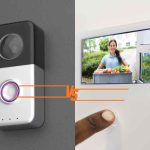
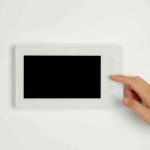
A video intercom lets residents see the visitor before opening the gate, which is the main practical advantage over an audio-only system. For a shared driveway, video is usually worth the extra cost, as it allows each household to independently verify deliveries, trades, and guests without relying on a neighbour’s judgement.
Wired, Wi-Fi, or Cellular – Which Suits a Shared Driveway?
| System Type | Best Suited To | Key Consideration |
|---|---|---|
| Wired | Driveways with existing conduit or new-build strata schemes | Most reliable, but retrofitting cabling across shared property can be costly |
| Wi-Fi | Properties with strong network coverage at the gate | Avoids trenching, but depends on signal strength at the driveway entrance |
| Cellular | Sites where running cable or Wi-Fi isn’t practical | No cabling needed, but usually involves an ongoing SIM/data cost |
A proper gate intercom installation should start with a site assessment of the shared driveway, checking power access, distance to each household, and existing infrastructure before recommending a system type.
Can Tenants and Renters Get Access?
Yes, tenants can be granted access to a shared driveway intercom, but the landlord is usually responsible for coordinating the installation with the owners’ corporation, not the tenant directly. Under Victorian tenancy law, a landlord must provide reasonable access to shared facilities included in the tenancy, which generally extends to gate access on a shared driveway.
In practice, this usually means the landlord requests a code or fob for the tenant through the owner’s corporation or managing agent and updates it when a tenancy ends.
What About Airbnb and Short-Term Rental Guests?
Short-term rental guests generally need a temporary, time-limited access code rather than a permanent fob or PIN. This protects the other households sharing the driveway, since a temporary code can be set to expire automatically after the guest’s stay ends.
This matters because a shared driveway means an Airbnb guest’s access isn’t isolated to one property; it affects every household using that same gate. Hosts running short-term rentals in strata properties should confirm with their owners’ corporation whether short-term guest access is permitted under the scheme’s by-laws before setting the system up.

Does a Driveway Intercom Camera Raise Privacy Issues?
Yes, if the intercom camera captures footage of the shared driveway, common property, or neighbouring lots, the Surveillance Devices Act 1999 (Vic) can apply to how that footage is recorded, stored, and shared. This is particularly relevant on a shared driveway, since the camera’s field of view often includes more than just one household’s entry point.
Owners corporations should agree on who can access recorded footage, how long it’s retained, and whether it can be shared outside the scheme, ideally before installation rather than after a dispute arises.
How Does a Gate Intercom Work With Other Security Systems?
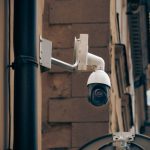
A gate intercom works best as one part of a layered security setup, rather than a standalone device. On a shared driveway, this typically means the intercom is linked to the automated gate motor and can be paired with CCTV covering the driveway itself, alarm sensors on individual units, and digital locks on each front door.
We’ve handled security systems in Cheltenham strata schemes that rely on where the intercom, gate, and CCTV are integrated into one system so residents get a single alert if something unusual happens at the shared entry point rather than four separate systems that don’t talk to each other.
How Do You Get Started with a Shared Driveway Intercom?
A gate intercom on a shared driveway isn’t just a convenience upgrade; it’s a shared piece of security infrastructure that affects every household using that entry point. Getting it right means securing the owner’s corporation approval, agreeing on how access and costs are split, and thinking through tenant, guest, and privacy considerations before installation day, not after.
Gorilla Security works with owners corporations and individual lot owners across Melbourne’s strata properties to get this right the first time, from the initial site assessment through to system handover. If you’re weighing up an intercom installation for a Brighton strata scheme, a Bayside townhouse group, or any shared driveway property, we can walk you through the approval process and recommend a system that suits your household mix.
Recent Blogs