Pet-friendly alarm systems avoid false triggers by using weight-rated, pet-immune sensors, dual-technology detection, and smart sensor placement. So your cat or dog can move freely without setting off the alarm. Getting this right matters because a standard motion sensor can’t tell the difference between an intruder and your dog jumping off the couch.
For pet owners, this issue is one of the most common frustrations with home security. False alarms disrupt sleep, generate unnecessary monitoring call-outs, and eventually lead owners to stop trusting their system altogether. But not every “pet-friendly” sensor works the same way for every animal. A sensor rated to ignore an 18kg dog won’t necessarily ignore a cat that jumps onto a shelf at head height because the problem isn’t just weight, it’s movement pattern.
Getting this right starts with understanding how pet-immune sensors actually work and where to place them. It also means knowing how a layered system including an alarm, camera, and monitoring working together can filter out false triggers before they ever reach you. At Gorilla Security, we design alarm systems for Melbourne homes with pets in mind, so you get real protection without constant false alerts.
Key Takeaways:
- Standard PIR (Passive Infrared) motion sensors react to heat and movement, which is why pets can trigger them.
- Pet-immune sensors are weight-rated (commonly up to 18–36kg) but weight alone doesn’t guarantee accuracy, movement pattern matters too.
- Cats are harder to filter than dogs because they move vertically (jumping, climbing), while most pet-immune sensors are calibrated for horizontal, floor-level movement.
- Dual-technology (PIR + microwave) sensors reduce false alarms further by requiring two types of detection to match before triggering.
- A layered system like alarm sensors plus camera verification lets you (or a monitoring centre) visually confirm whether a trigger is your cat or a genuine intruder before acting.
Why Do Pets Set Off Home Alarm Systems?
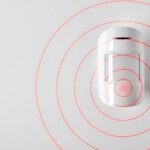
Pets set off home alarm systems because standard motion sensors detect heat and movement, not the difference between a human and an animal. Most home alarms use Passive Infrared (PIR) sensors, which pick up the infrared heat signature given off by any moving body. A cat walking across a room or a dog shaking itself awake generates the same kind of heat-and-motion signal as a person entering that space.
This is why pet owners with standard alarm systems often deal with false alarms during the night or while they’re away. The sensor isn’t malfunctioning, it’s doing exactly what it was built to do, just without the ability to tell friend from foe.
What Is a Pet-Immune Motion Sensor?
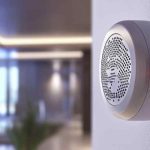
A pet-immune motion sensor is a PIR sensor calibrated to ignore movement below a certain weight threshold, commonly up to 18–36kg. Manufacturers achieve this by adjusting the sensor’s detection pattern and signal processing, so smaller heat sources don’t trigger an alert.
It’s worth understanding that “pet-immune” doesn’t mean “pet-proof.” These sensors reduce the likelihood of a false trigger — they don’t eliminate it entirely. A large or particularly active pet can still occasionally set one off, especially if it moves quickly through the sensor’s detection zone. This is one reason a professionally installed wireless alarm system for home use should always be paired with correct sensor selection based on your specific pet, not just a generic “pet-friendly” label.
Do Pet-Immune Sensors Work for Both Cats and Dogs?
Pet-immune sensors work more reliably for dogs than for cats, because most are calibrated for horizontal, floor-level movement rather than vertical movement.
Why Cats Are Harder to Filter Than Dogs
Cats are harder to filter because they move vertically. They jump onto shelves, climb furniture, or walk along windowsills. This puts them directly in a sensor’s detection cone even if they’re well under the weight threshold. Most pet-immune sensors assume pets stay near the floor, which holds true for dogs but not for cats. A cat jumping to shoulder height can register the same way as a person standing in that spot.

What Weight Rating Suits Your Dog Breed?
The right weight rating depends on your dog’s size, and choosing incorrectly is one of the most common causes of false alarms in homes with dogs. As a general guide:
| Dog Size | Typical Weight Range | Recommended Sensor Rating |
|---|---|---|
| Small (e.g. Cavalier, Jack Russell) | Up to 10kg | 18kg pet-immune rating |
| Medium (e.g. Kelpie, Staffy) | 10–25kg | 25kg pet-immune rating |
| Large (e.g. Labrador, German Shepherd) | 25–40kg | 36kg pet-immune rating |
For large or giant breeds, even a 36kg-rated sensor may need to be paired with alternative detection methods, such as door and window sensors, rather than relying on motion detection alone.
Are Dual-Tech Sensors Better Than PIR-Only for Pet Owners?
Dual-technology sensors are generally better for pet owners because they combine PIR with microwave detection, requiring both technologies to detect motion at the same time before triggering an alarm. A pet moving through a room might trip the PIR component alone, but without a matching microwave signal, the sensor won’t raise an alert.
This two-step verification significantly reduces false triggers compared to PIR-only sensors, particularly in homes with more than one pet or pets that move quickly. The trade-off is a slightly higher upfront cost, which is usually worth it for households that have struggled with repeated false alarms.
Where Should Sensors Be Placed in a Home With Pets?
Sensors should be placed higher on the wall and angled away from furniture, shelving, or any surface your pet regularly climbs. Raising the mounting height moves the detection cone above typical pet movement while still covering entry points at human height.
Other placement principles worth following:
- Angle sensors away from stairs, cat trees, or window ledges your pet uses.
- Avoid positioning sensors directly opposite pet beds or feeding areas.
- Keep sensors clear of curtains or blinds a cat might climb.
- Test sensor placement after installation, then adjust if false triggers continue.
Correct placement is often more effective at reducing false alarms than the sensor technology itself. Even the best pet-immune sensor will underperform if it’s mounted where your pet spends most of its time.
How Does a Layered Security System Reduce Pet-Related False Alarms?
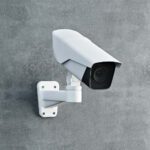
A layered security system reduces pet-related false alarms by letting a camera verify what triggered the alarm before a monitoring response is escalated. Instead of depending just on a motion sensor, you, a monitoring centre, or a mobile app may cross-check the alarm signal against camera footage to determine whether the trigger was your cat or an actual burglar.
Some modern security cameras also use AI-based detection to distinguish between people, animals, and objects, filtering out pet movement before it ever reaches a person for review. Combining this with an alarm and monitored response means fewer false dispatches and faster, more accurate action when something genuinely wrong happens. It is usually better for homes with pets to use a layered method that includes sensors, cameras, and monitoring than to just use sensors.
Can You Adjust Sensitivity or Bypass Zones for Pets?
Yes, most modern alarm systems let you adjust sensor sensitivity or bypass specific zones where your pet spends the most time. If your cat sleeps in the living room overnight, for example, you can bypass that zone while arming the rest of the house — rather than disabling the whole system or accepting nightly false alarms.
Sensitivity adjustment works alongside zone bypass, letting installers fine-tune how much movement is needed to trigger an alert in areas your pet frequents. This flexibility is especially useful for Melbourne homes with multiple pets, where a one-size-fits-all sensitivity setting rarely works for every room.
How Do You Test a Pet-Friendly Alarm System After Installation?
You test a pet-friendly alarm system by observing your pet’s normal movement through the home over several days while the system is armed in test mode. Watch for any zones that trigger repeatedly, and note whether it happens at specific times, like when your dog jumps onto furniture or your cat climbs to a favourite spot.
Signs a system needs recalibration include:
- Repeated triggers from the same sensor at the same time of day
- False alarms that coincide with feeding, play, or grooming routines
- A sensor triggering only when a specific pet (not others) moves past it
If false triggers continue after testing, it usually points to placement rather than the sensor itself, and a professional adjustment is worth arranging before the system goes into regular use.
This step is especially important across home security systems in Melbourne that pet owners rely on, where multi-pet households and varied floor plans that is from Victorian terraces to newer builds. Each call requires slightly different sensor setups. Homeowners installing alarm systems in Brighton and similar bayside suburbs often deal with older weatherboard layouts alongside pets, which makes correct sensor placement even more important.
Getting Pet-Friendly Security Right for Your Home
Pet-friendly alarm systems only work as well as the sensors, placement, and technology behind them. Weight ratings matter, but they don’t tell the whole story – movement pattern is just as important, especially for cats. Dual-tech sensors, correct mounting height, and zone bypass all reduced false triggers, but the most reliable results come from a layered system where a camera can verify what actually happened before anyone responds.
At Gorilla Security, we design alarm, camera, and monitoring systems as one integrated setup for Melbourne homes. So your cat jumping onto a windowsill doesn’t trigger the same response as an intruder at the door. Our team assesses your pets’ size, habits, and movement patterns during installation, then configures sensor placement, sensitivity, and zone bypass around them.
If false alarms are already a problem in your home, or you’re installing a new system and want it done right the first time, get in touch with Gorilla Security for a tailored assessment. We’ll help you build a system that protects your home without constantly disturbing your pets or you.
Recent Blogs